
Carbon Monoxide Leak At Milligan University
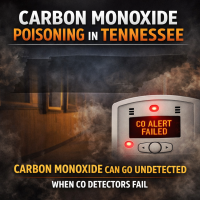
A carbon monoxide leak at Milligan University’s Steve Lacy Fieldhouse recently sent more than 300 students and staff members to area hospitals, making it one of the largest mass exposure events in East Tennessee in recent memory. The leak, discovered on the morning of February 5, 2025, went undetected for an unknown period of time because multiple carbon monoxide detectors installed in the fieldhouse failed to activate. Students and employees were transported to seven Ballad Health facilities across the region, including Johnson City Medical Center and Niswonger Children’s Hospital, for evaluation and treatment ranging from precautionary monitoring to oxygen therapy and extended observation.
Carbon Monoxide Poisoning in Tennessee
The Milligan University incident is a stark reminder that carbon monoxide exposure can happen anywhere, from dormitories and athletic facilities to rental cabins in the Smoky Mountains, apartment buildings, hotels, restaurants, and workplaces. At Fox, Farley, Willis & Burnette, we have seen firsthand the devastating impact carbon monoxide poisoning can have on victims and their families. Our firm has previously handled significant carbon monoxide exposure cases, including one involving a vacation rental cabin in Sevier County, reaching a favorable settlement for the victims involved. That experience underscores an important truth: when property owners, landlords, or facility managers cut corners on safety, innocent people pay the price.
Why Carbon Monoxide Is So Dangerous
Carbon monoxide is often called “the silent killer” because it is completely colorless, odorless, and tasteless. When fuel-burning appliances such as furnaces, water heaters, gas stoves, or generators malfunction or operate in poorly ventilated spaces, carbon monoxide gas can accumulate rapidly without anyone realizing something is wrong. The gas enters the bloodstream through the lungs and binds to hemoglobin, displacing oxygen and starving the body’s tissues and organs of the oxygen they need to function. Early symptoms of carbon monoxide poisoning, including headaches, dizziness, nausea, and fatigue, closely mimic the flu, which means many victims do not recognize the danger until the exposure has become severe.
At higher levels of exposure, victims can experience confusion, blurred vision, loss of consciousness, and cardiac complications. Prolonged exposure can cause permanent brain damage, serious neurological problems, and death. Even people who survive significant carbon monoxide exposure may face long-term health consequences, including memory loss, difficulty concentrating, mood changes, and chronic fatigue that can persist for weeks, months, or even years after the initial incident. In the most severe cases, carbon monoxide poisoning can result in traumatic brain injury that fundamentally changes a victim’s quality of life.
Who Can Be Held Liable?
Tennessee law imposes a legal duty on property owners, landlords, employers, and facility operators to maintain reasonably safe conditions for the people who enter their premises. When someone suffers carbon monoxide poisoning due to another party’s negligence, the victim may have grounds to pursue a personal injury claim, or in the most tragic cases, a wrongful death claim against the responsible parties.
Liability in carbon monoxide cases can fall on a number of different parties depending on the circumstances. Landlords and property management companies may be held accountable if they failed to properly maintain heating systems, water heaters, or other fuel-burning appliances, or if they failed to install functioning carbon monoxide detectors as required by Tennessee law. These cases often fall under premises liability, which holds property owners responsible for hazardous conditions on their property. Building owners and facility operators have a similar duty of care. If a university, hotel, employer, or commercial property owner knows or should have known about a potential carbon monoxide hazard and fails to address it, they may bear legal responsibility for the resulting injuries.
In some situations, the manufacturer of a defective appliance or a faulty carbon monoxide detector may also share liability. If a furnace, boiler, or detection device was poorly designed, improperly manufactured, or sold without adequate warnings, a product liability claim may be appropriate. The Milligan University incident, where multiple carbon monoxide detectors reportedly failed to alarm, raises serious questions about whether the detection equipment functioned as it should have and who bears responsibility for that failure. Carbon monoxide exposure may also be considered a form of toxic exposure, particularly in cases involving prolonged or repeated contact with dangerous levels of the gas.
Tennessee’s Legal Framework
Since January 2016, Tennessee’s State Fire Marshal has required carbon monoxide detectors to be installed within ten feet of each sleeping room in every hotel or building equipped with a fossil fuel burning heater or appliance, a fireplace, an attached garage, or any feature that emits carbon monoxide as a byproduct of combustion. Additional regulations enacted in 2020 extended carbon monoxide detector requirements to boiler rooms containing fuel-fired boilers of certain capacity. Daycares and rental recreational vehicles are also subject to carbon monoxide detection requirements under Tennessee law.
Importantly, Tennessee follows a modified comparative negligence rule. This means that a victim can recover compensation as long as they are less than fifty percent at fault for their own injuries. Tennessee also imposes a one-year statute of limitations on personal injury claims under Tennessee Code Section 28-3-104, which means victims generally have just one year from the date of injury to file a lawsuit. However, because carbon monoxide poisoning symptoms can sometimes be delayed or misattributed to other causes, the discovery rule may extend that deadline in certain cases. This is why it is critical for anyone who suspects they have been exposed to carbon monoxide to seek medical attention immediately and consult with an attorney as soon as possible.
What to Do If You Have Been Exposed
If you or a loved one has been exposed to carbon monoxide, the most important step is to get to fresh air and seek emergency medical treatment right away. Emergency room physicians can test blood carboxyhemoglobin levels to confirm exposure and determine its severity. Even if your initial symptoms seem mild, it is essential to be evaluated by a medical professional because the full effects of carbon monoxide poisoning may not become apparent for hours or even days after exposure.
Once your health is stabilized, document everything you can about the incident. Photograph the location, keep copies of all medical records and bills, and write down what you remember about when and where the exposure occurred. If possible, identify the source of the carbon monoxide leak and whether any detection equipment was present and functioning. This evidence can be critical to establishing liability and building a strong legal case.
How Fox, Farley, Willis & Burnette Can Help
Our legal team has direct experience handling carbon monoxide exposure claims in East Tennessee, and we understand the complex medical and legal issues these cases involve. We know how to work with medical experts, engineers, and investigators to identify the source of an exposure, determine who is at fault, and pursue the full compensation our clients deserve, including medical expenses, lost wages, pain and suffering, and long-term care costs for those who suffer lasting health effects.
If you or someone you love has been injured by carbon monoxide poisoning in Tennessee, do not wait to explore your legal options. The one-year statute of limitations means time is of the essence. Contact Fox, Farley, Willis & Burnette today for a free consultation to discuss your case and learn how we can help you hold the responsible parties accountable.